

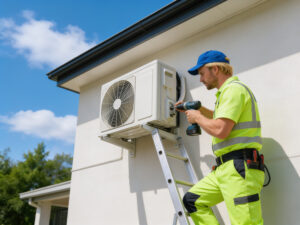


As Perth moves into winter, windows close, airflow reduces, and we spend more time indoors. It’s the season where comfort matters most — but it’s also when indoor air quality can quietly decline. At Dacs Air Conditioning Perth, we often get calls from homeowners experiencing coughing, sneezing, headaches, or dry air during winter, only to discover the culprit isn’t the weather — it’s their air conditioning system. If you’ve ever wondered whether your air conditioner could be making you sick during winter in Perth, the answer might surprise you.
Can Air Conditioning Make You Sick in Winter?
Yes. Air conditioning systems can contribute to poor indoor air quality if they are not properly maintained. Dust, mould, bacteria, and allergens can build up inside the unit and circulate through your home when heating mode is activated.
This is especially common after summer, when systems have been running heavily and moisture can accumulate within internal components. Without cleaning and servicing, these contaminants are pushed into your living spaces during winter.
Why Winter Makes the Problem Worse
Winter creates the perfect environment for indoor air quality issues to surface.
Homes are sealed to retain warmth, meaning less fresh air enters and pollutants become trapped inside. At the same time, air conditioners are used in heating mode, continuously recirculating indoor air.
If your system contains dust, mould spores, or bacteria, these particles are redistributed throughout your home again and again, amplifying their impact on your health.
Common Signs Your Air Conditioner May Be Affecting Your Health
Many people don’t immediately connect their symptoms to their air conditioning system.
Persistent coughing or sneezing indoors can be a sign of airborne irritants. Headaches or fatigue may be linked to poor air circulation or contaminants in the air. Dry skin and irritated eyes can also result from imbalanced humidity levels caused by inefficient systems.
Unusual smells when the system is running, particularly musty or damp odours, often indicate mould or bacteria buildup inside the unit.
What’s Hiding Inside Your Air Conditioner?
Your air conditioner is designed to filter and circulate air, but over time it can become a collection point for unwanted particles.
Dust and debris accumulate in filters and coils, reducing airflow and trapping contaminants. Moisture from summer cooling can linger in the system, creating an ideal breeding ground for mould and bacteria.
Without regular servicing, these elements remain hidden inside the unit until heating mode activates and spreads them throughout your home.
How Servicing Improves Indoor Air Quality
A professional air conditioning service does more than improve performance — it restores the health of your indoor environment.
Filters are cleaned or replaced, removing built-up dust and allergens. Internal components are inspected and cleaned, reducing the presence of mould and bacteria.
Airflow is restored, allowing your system to circulate clean, balanced air throughout your home. This creates a healthier indoor environment, particularly important during winter when ventilation is limited.
The Link Between Air Conditioning and Allergies
For allergy sufferers, an unserviced air conditioner can make symptoms significantly worse.
Dust mites, pollen, and mould spores can all be circulated through your system if filters are clogged or components are contaminated. This can trigger respiratory issues, especially in children or those with asthma.
A properly maintained system, however, can have the opposite effect — helping to filter out airborne particles and improve overall air quality.
Why Perth Homes Need Regular Air Conditioning Maintenance
Perth’s climate plays a key role in how air conditioning systems perform.
Long, dry summers create dust buildup, while the transition into cooler months introduces moisture and reduced ventilation. This combination makes regular servicing essential to maintain both system efficiency and air quality.
Local expertise matters. At Dacs Air Conditioning Perth, we understand how these conditions affect your system and tailor our servicing to suit the Perth environment.
How Often Should You Service Your Air Conditioner?
For most Perth homes, servicing your air conditioner at least once a year is recommended.
Ideally, this should be done before the system switches from cooling to heating mode. Regular maintenance ensures your system remains clean, efficient, and safe to use throughout the year.
Homes with pets, allergy sufferers, or heavy system usage may benefit from more frequent servicing.
What Can You Do Right Now to Improve Air Quality?
Simple steps can make an immediate difference.
Cleaning or replacing your filters regularly helps reduce dust and allergens. Ensuring vents are clear and unobstructed improves airflow.
However, these basic steps don’t replace professional servicing. A full system clean and inspection is essential to address internal components that aren’t accessible from the outside.
Final Word
Your air conditioner should make your home more comfortable — not compromise your health.
If you’ve noticed changes in air quality, unusual smells, or increased allergy symptoms, your system may need attention. The good news is that these issues are often easy to resolve with the right maintenance.
At Dacs Air Conditioning Perth, we help homeowners create healthier indoor environments by ensuring their systems are clean, efficient, and ready for winter.
If your air conditioner hasn’t been serviced recently, now is the time to act — before small issues turn into bigger problems.
FAQs
Can dirty air conditioners cause illness?
Yes. Dust, mould, and bacteria inside an unserviced system can contribute to respiratory issues and allergies.
Why does my air conditioner smell when I turn on heating?
A musty smell often indicates mould or bacteria buildup inside the unit.
Does servicing remove mould from air conditioners?
Yes. Professional servicing includes cleaning internal components where mould can develop.
Can air conditioning worsen asthma symptoms?
Yes, if the system is not clean. A maintained system can help improve air quality instead.
How do I improve indoor air quality in winter?
Regular servicing, clean filters, and proper airflow all contribute to better indoor air quality.